Garden clearance in Hanwell
Garden clearance in Hanwell is a practical service for removing unwanted green waste, mixed outdoor rubbish and bulky items from private gardens, shared spaces and small commercial grounds. We focus on clearing away the material that gets in the way of regular use, whether that means cuttings after seasonal pruning, soil and turf from a landscaping change, or broken items that have been left outside for too long. The result is a clearer outdoor area that is ready for further work, tidying or simple enjoyment.
Our approach is centred on sensible handling and straightforward removal. That can include bagged garden waste, branches, hedge trimmings, old plant pots, disused timber, fencing offcuts, children’s outdoor items and other non-hazardous material that has built up over time. Where the load includes a mix of green and general waste, we separate the obvious categories where practical so the collection is organised and the disposal route is appropriate. Clearer access and safer movement around the garden are often immediate benefits.
If you are comparing options, start with the type and amount of material rather than only the size of the garden. A tidy front path with a few bags is different from a long-neglected rear space with heavy debris, wet cuttings and awkward access. Useful details such as whether the waste is loose or bagged, ground floor or upper-level, and whether items need dismantling can all affect the preparation for the job. For a quotation, send the basics in one message and keep the request concise.
What we clear from gardens
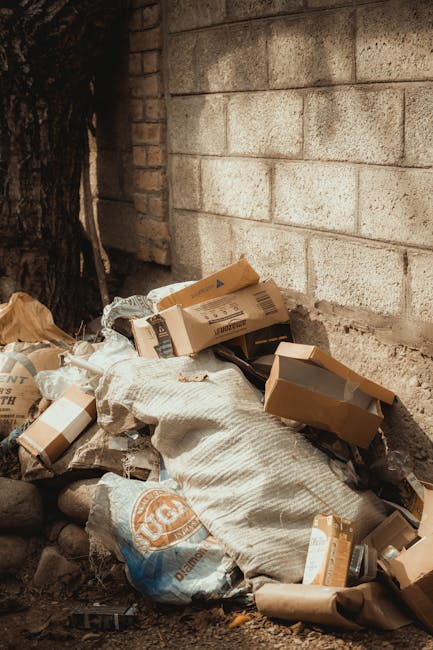
Garden clearance work is rarely limited to grass clippings alone. In many jobs there is a combination of soft green waste and harder materials that came from a project, repair or long-term accumulation. Our service can remove cut branches, hedge trimmings, leaves, roots, weeds, old compost, broken paving pieces, plant tubs and general garden rubbish that should not stay piled up outside. Where feasible, we also deal with items that have become weathered or partly buried, provided they can be moved safely.
Some customers want a single collection after a tidy-up, while others need a broader clear-out before redesigning the space. In either case, it helps to think in layers: first the organic waste, then the objects that are occupying storage corners, and finally any heavier fixtures that are no longer needed. We can handle a wide range of removal tasks in one visit, which keeps the work organised and reduces the need to separate the job into several small arrangements. Ask for a quotation when you have the list ready.
When a garden has been unused for a while, the material can be mixed and uneven, so a clear plan matters. Some loads are best collected in sacks or bins, while other items need lifting as single pieces. If you are unsure whether a particular item is suitable, describe it plainly and we can advise on the practical options. For clarity, here are typical examples of the kinds of things often included in a garden clearance request:
- branches, hedge cuttings and prunings
- lawns, turf and surface vegetation
- old pots, trays and broken planters
- small dismantled outdoor items
- soil, compost and bagged green waste
- weathered timber and mixed garden debris
Collection for heavier outdoor items

Outdoor clearances often involve more than soft waste, especially where repairs or layout changes have left behind heavier pieces. We can remove old fencing sections, posts, damaged panels, timber offcuts, small sheds in dismantled form and other sturdy items that no longer serve a purpose in the garden. In some cases, there may also be bulky storage items or worn outdoor furnishings that need to go at the same time as the green waste. Combining the work into one collection can be more efficient than arranging several separate removals.
Attention to handling matters when items are awkward, damp or split into multiple parts. A broken bench, for example, may be straightforward to remove once it is taken apart, but a long timber frame or a stack of uneven pieces can require a different approach. We keep the service practical rather than overcomplicated, and we look at the shape of the load, the path out of the garden and the best way to manage the lifting. That keeps the job focused on removal rather than disruption.
To help us prepare, let us know whether any heavier items are fixed in place, partly broken or tucked behind planting that must be protected. A short written description is often enough, but photographs can also be useful when access is tight or the items are unusual. If you are arranging more than garden waste alone, include the extra pieces in the same enquiry so the estimate reflects the full task. One clear list usually works better than several separate messages.
Preparing a garden for fresh use
Many people request garden clearance because they want to reclaim usable space before planting, paving, fencing or simple family use. Clearing the area properly makes it easier to see what remains on the ground and what can be tackled next. We remove the loose material, discarded items and unwanted clutter so the space can move toward its next stage without the burden of leftover waste. It is a straightforward part of turning an overlooked garden into a more workable outdoor area.
Preparation often comes down to separating what stays from what goes. If some items are destined for reuse, set them apart before the collection. If there are delicate features such as irrigation lines, ornaments or established plants that should not be touched, point them out at the start. That helps avoid confusion on the day and keeps the work aligned with your plans. We can then concentrate on the material that is actually ready to leave the site.
For gardens that have been neglected, the most effective approach is usually to start with the obvious waste and then move through the hidden pockets of debris. Behind sheds, beside fences and under overgrown shrubs are common places for forgotten items to gather. Once those are cleared, the remaining space is easier to assess. If you need a broader tidy-up that includes other domestic waste from outside the house, mention that from the outset so the load can be priced accurately.
Access, lifting and practical organisation

Good organisation makes garden clearance smoother, especially where access is narrow or the waste sits behind beds, steps or side passages. We look at the route from the garden to the exit and then choose a sensible method for moving the material. That may mean carrying items by hand, using bags for loose cuttings or breaking down bulky pieces into manageable sections. The aim is a methodical removal that respects the layout of the property.
Where access is difficult, the shape of the load becomes especially important. Long branches, heavy containers and stacked timber need more careful handling than loose leaves or clipped hedge waste. If there are gates, shared entrances or limited turning space nearby, a brief note in the enquiry can help us prepare. Good communication here is not about making the job complicated; it is about reducing delay and avoiding surprises when the work begins.
There are also cases where a job is best divided into stages. A garden packed with waste from several seasons may be cleared in one visit if the path is open and the material is ready, but some properties benefit from removing the heaviest items first and leaving smaller tidy-up waste for later. We can discuss that balance when you ask for a quotation. If you prefer, a short message describing the access and the main items is enough to start.
Costs, load types and quotation details
Pricing for garden clearance usually depends on how much needs removing, how awkward the items are and how the work is organised on site. A load of light cuttings is different from a mixed collection that includes damp waste, timber, broken fixtures and bulky pieces. Access, sorting time and the need to dismantle certain items may also influence the quotation. Being accurate at the start helps the estimate reflect the real job rather than a rough guess.
If you are comparing possibilities, it can help to separate the work into categories before you enquire. Think about green waste, wood, outdoor furniture, garden tools that are no longer used and any loose rubbish that has found its way outside. Not every task needs to be described in technical language; a simple account of what is there is often enough. If you want a fuller discussion of how estimates are prepared, our pricing and quotes page gives a useful overview.
For a quicker response, include the sort of material involved, whether it is bagged or loose, and whether any pieces need breaking down. If there are items that should stay in place, identify those too. Clear information usually makes the quotation process smoother and helps everyone understand the scope. When you are ready, send the details and request a quotation in plain terms.
Related waste removal options
Garden clearance is sometimes part of a broader clean-up, especially where the outdoor space and the surrounding property both need attention. In those cases, it can be useful to consider whether other waste can be removed at the same time. We offer additional disposal services for different settings, so customers can choose a route that matches the type of load rather than forcing everything into one category. That makes planning simpler when the waste is varied.
For mixed household items, home clearance may be more suitable, while larger furniture that has ended up outside could fit better with furniture clearance. If you are dealing with waste from a renovation or exterior repair, the relevant material may also overlap with builders waste clearance. Choosing the right service category helps ensure the quotation matches the actual contents and handling requirements.
Where the waste is mainly general and not restricted to the garden, a broader removal approach can be considered. That may be helpful if the job includes items from a garage, shed or patio as well as the planting areas. our waste removal service is a useful place to compare that wider option with a more focused clearance. The right choice depends on what is being removed and how it is stored.
About Hanwell
Hanwell is a district in the London Borough of Ealing in west London, shaped by the contrast between older village origins and later suburban growth. Its history is visible in a number of surviving landmarks, including St Mary’s Church, which has medieval roots, and the well-known Wharncliffe Viaduct, an early 19th-century railway structure associated with Brunel’s Great Western Railway. The area expanded significantly after transport links improved, particularly once the railway made commuting more practical. That shift left Hanwell with a mix of older streets, interwar housing and later infill development rather than a single uniform character. The Grand Union Canal also passes through the district, adding a ribbon of waterway history that still forms part of the local landscape. Towpath sections, bridges and canal-side views give the area a quieter counterpoint to the busier roads nearby. Hanwell Clock Tower, completed in 1937 to mark the coronation of George VI, is another familiar civic landmark and a visual reminder of the area’s strong community identity. The surrounding streets include local shops, residential avenues and pockets of green space, with Brent Valley and nearby parks contributing to the sense of an established suburban environment. As a whole, Hanwell combines transport heritage, canal scenery and architectural variety in a way that reflects both its rural past and its long development within west London.
Garden waste and sustainability

Responsible garden clearance is not only about taking waste away; it is also about handling the material with care once it leaves the property. Green waste, timber and reusable outdoor items are all different in nature, and they should not be treated as if they are identical. When the contents allow, sorting the load helps keep recyclable or recoverable materials separate from general rubbish. That approach supports a more considered disposal process without adding complexity for the customer.
The best outcome often starts with a simple, honest description of the material. Fresh cuttings behave differently from wet compost, and solid items such as posts or broken furniture need a different loading method. By identifying what is present, you make it easier to choose the right removal approach. It is also helpful to note whether the waste has been piled in one area or spread across several corners, because that affects the time needed to gather it safely.
Some customers ask whether an outdoor clearance can be combined with a general tidy of adjacent spaces. If your project includes the patio, side return or storage area as well as the garden itself, say so early. The more complete the picture, the more accurate the quotation can be. When you want to move forward, contact us with a short description and request a quotation for the work.
Planning a clear and tidy collection
Before a collection takes place, it helps to think about the order in which items will be moved. Loose waste can usually be gathered quickly, while awkward or heavy pieces may benefit from being placed near the exit beforehand if that is safe to do. Small steps like these can make a collection more efficient without turning preparation into a chore. The main aim is to keep the load easy to identify and ready for removal.
Where garden work has been carried out in stages, the waste may accumulate in separate piles. That is not a problem, but it is worth mentioning because multiple piles can mean extra carrying and sorting. If there are materials that should be left untouched, especially compost that is still in use or items awaiting reuse, mark them clearly. A short explanation is usually enough, and photographs can help if the space is crowded or uneven.
Two simple rules are often enough for a smooth enquiry: first, name the main materials; second, note any access issues. That keeps the discussion focused on what matters most and avoids confusion later. If you need more than one type of removal, it is better to mention everything at the start than to add extra items afterwards. For straightforward planning, begin with the essentials and then ask for a quotation.
Our wider clearance services
Although this page focuses on garden clearance in Hanwell, some customers need support beyond the outdoor space alone. We therefore offer several related clearance options that cover different parts of a property. A loft, garage or flat can each present a different kind of removal task, and it is usually sensible to match the service to the contents rather than forcing a one-size-fits-all approach. That keeps the work practical and easier to estimate.
For stored household goods, loft clearance may be the relevant choice, while cluttered storage areas may suit garage clearance. If you are dealing with a full property rather than one outdoor area, house clearance can be considered instead. Each service is aimed at a different kind of load, so the best option depends on where the items are and what they consist of.
Occasionally customers also need help with particular pieces of furniture or flat contents that no longer fit their plans. In those cases, a more specific route such as furniture disposal or flat clearance may be appropriate. If you are not sure which page fits best, describe the waste plainly and we can point you toward the most suitable type of quotation. The aim is to keep the process direct and relevant.
Request a quotation for garden clearance

If you need garden clearance in Hanwell, the simplest next step is to gather a short description of the waste and decide what should be removed in the same visit. Mention the main materials, whether anything is heavy or fixed, and whether the access is straightforward or restricted. That is usually enough to begin a useful conversation about the work. Keep the note concise, but include any details that affect lifting, sorting or movement through the property.
We can then look at the scope and prepare a quotation that reflects the actual task rather than a vague estimate. If the job involves a mixture of garden waste, outdoor furniture, broken timber or other bulky items, say so upfront so the removal plan is clear. If you prefer to compare service options first, the related pages above can help you decide whether a narrower or broader clearance is the better fit. When you are ready, send the details and ask for a quotation.
For a focused, tidy and practical service, choose the description that best matches your waste and the area involved. That keeps the arrangement simple and helps the removal proceed without unnecessary back and forth. Request a quotation today and tell us what needs clearing.