Rubbish removal Hanwell W7 guide for Hanwell Broadway
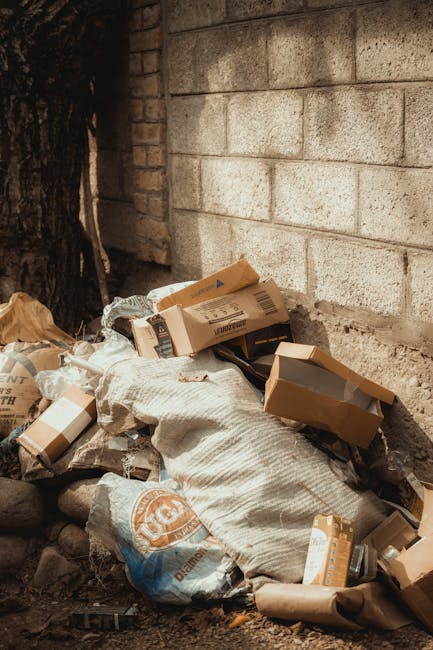
If you are dealing with bags, broken furniture, renovation offcuts, or a garage that has quietly become a storage unit, this Rubbish removal Hanwell W7 guide for Hanwell Broadway is here to make the whole thing feel less messy and a lot more manageable. Hanwell Broadway has its own daily rhythm: busy pavements, flats above shops, trades vans pulling up and disappearing, and the usual London squeeze of limited time and limited space. That is exactly why a clear, practical rubbish removal plan matters.
In this guide, we will walk through how rubbish removal works in practice, what makes a good service, common pitfalls to avoid, and how to decide whether you need a one-off collection, a fuller clearance, or a more tailored waste solution. We will also cover the sensible questions people ask when they are trying to get rid of clutter without creating another headache. Simple enough. Or at least, that is the aim.
Why rubbish removal matters on Hanwell Broadway
On paper, rubbish removal sounds straightforward: you have unwanted stuff, and you want it gone. In real life, especially around Hanwell Broadway, it tends to be a little more complicated. There is the access issue, the timing issue, the "where do I put this until collection day?" issue, and the small matter of not wanting your doorway to look like a half-finished skip site for two days. Truth be told, most people do not need drama with their waste.
Local rubbish removal matters because the Broadway is a place where convenience and presentation both count. A household clear-out before a move, a shop refit, a landlord refresh, or a post-garden tidy-up can all create bulky waste that is awkward to shift safely. If you leave it too long, it gets in the way. If you move it badly, you risk damage, injury, or complaints from neighbours. Not ideal.
It also matters because different waste types need different handling. Old mattresses, plasterboard, white goods, timber, packaging, and garden debris do not always belong in the same pile. A good clearance plan helps you separate what can be reused, recycled, or responsibly removed. That is where a clear service process, and a bit of common sense, make life easier.
If you are trying to compare service standards before booking, it can help to look at how a provider explains its approach to recycling and sustainability and whether it sets expectations clearly in its terms and conditions. Those pages are not exciting reading, fair enough, but they do tell you a lot about how a company works.
Table of Contents
- Why rubbish removal matters on Hanwell Broadway
- How rubbish removal works
- Key benefits and practical advantages
- Who this is for and when it makes sense
- Step-by-step guidance
- Expert tips for better results
- Common mistakes to avoid
- Tools, resources and recommendations
- Law, compliance, standards, or best practice
- Options, methods and comparison table
- Case study or real-world example
- Practical checklist
- Conclusion
- Frequently Asked Questions
How rubbish removal works
Most rubbish removal jobs follow a simple chain: enquiry, assessment, collection, sorting, disposal, and confirmation. The details vary depending on the size and type of load, but that is the backbone of it.
Here is what usually happens when you arrange rubbish removal around Hanwell Broadway:
- You describe the waste. This might be bags, furniture, garden waste, builders' rubble, office items, or a mixture.
- You explain the access. Is it a third-floor flat? Is there parking nearby? Can a vehicle stop close enough without blocking traffic?
- You get a quote or estimate. Many services price by volume, weight, type of material, labour time, and access difficulty.
- The collection is booked. Timing matters in a busy area, especially if you need a narrow window or same-day help.
- The crew removes the waste. A good team will load carefully, protect surfaces where needed, and keep disruption down.
- The waste is sorted. Reusable items, recyclable materials, and residual waste should be separated where possible.
The best experiences are the quiet ones. The van turns up, the team does what they said they would do, the space is clear, and the only thing left behind is a lot more breathing room. That is the target, basically.
If you are dealing with a broader clearance rather than a single load, you may want to look at related services such as house clearance, flat clearance, or home clearance. Those can be especially useful when the waste is mixed with furniture, old belongings, and a bit of accumulated life admin.
Key benefits and practical advantages
The obvious benefit is that the rubbish disappears. But there is more to it than that.
- Less stress: You do not have to hire a van, recruit friends, or spend a whole weekend doing heavy lifting.
- Better safety: Broken glass, awkward furniture, and sharp building debris can all be handled more safely by people used to the job.
- Faster turnaround: A lot of people want the waste gone now, not in five days. Local collection can often move quickly.
- Cleaner presentation: Useful for landlords, shopkeepers, homeowners selling a property, or anyone who just wants the place to feel decent again.
- More sensible disposal: Good services make an effort to separate recyclable and reusable materials rather than treating everything as landfill fodder.
There is also a less obvious advantage: decision fatigue drops fast once the clutter is gone. You know the feeling. You walk into a room and suddenly can think again. That is not a small thing.
For bulky items, it is worth considering whether a specific service like furniture clearance or furniture disposal fits better than a general rubbish collection. It depends on what you actually have, not just what sounds easiest at the time.
Who this is for and when it makes sense
Rubbish removal is not just for "big clear-outs." In practice, it suits a lot of everyday situations around Hanwell Broadway.
- Homeowners clearing lofts, spare rooms, sheds, or gardens.
- Tenants needing to empty a flat before the end of a lease.
- Landlords and letting agents dealing with leave-behind items or end-of-tenancy debris.
- Businesses with office furniture, packaging waste, or refit material to remove.
- Tradespeople with builders' waste after a small renovation or repair job.
- Older residents or families handling a sensitive clear-out where the practical load is just too much for one person.
It makes sense when the waste is too bulky, too heavy, too messy, or simply too much to manage on your own. It also makes sense when time is tight. A lot of people can cope with rubbish removal in theory. Tuesday afternoon after work? That is where theory tends to collapse.
For specific spaces, you might prefer something more focused, such as garage clearance, loft clearance, or garden clearance. Each one has its own mess profile, and each one behaves a bit differently once you start loading it out.
Step-by-step guidance
If you want the smoothest possible rubbish removal experience, work through the job in a simple sequence. Nothing fancy. Just a method that keeps you in control.
- Sort by type. Put furniture, general household rubbish, green waste, and construction debris into separate piles if you can.
- Check for anything reusable. A chair with life left in it may be better reused than dumped. Same with tools, storage units, and some office items.
- Remove personal items. This sounds obvious, but people do forget paperwork, keys, photos, and little valuables tucked into drawers.
- Measure the awkward stuff. Large wardrobes, sectional sofas, and appliances can become a problem at the final doorway, which is a pain nobody wants.
- Photograph the load. A few clear pictures help with quoting and prevent misunderstandings later.
- Check access and parking. On a busy stretch like Hanwell Broadway, a collection that works on paper can get tricky if the van cannot stop safely.
- Ask how waste is handled. You want to know whether the service prioritises recycling, donation where appropriate, and compliant disposal.
- Confirm timing. Make sure the schedule works for your move, refit, school run, or business opening hours.
A practical tip: create a "keep," "remove," and "not sure" zone. That last pile is useful, because not everything needs a same-day decision. You can take a minute, have a tea, and think it through.
If the job sits somewhere between rubbish removal and a full property emptying, a more structured service like office clearance, garage clearance, or house clearance may give you better value and less fuss.
Expert tips for better results
After enough clear-outs, a few patterns become obvious. The jobs that go well are usually the ones where the customer has done a small amount of prep. Not loads. Just enough.
- Be realistic about volume. A single pile can look small until it is stacked into a van. Stuff has a way of expanding when it is lifted. Annoyingly so.
- Be honest about access. Narrow hallways, steep stairs, locked gates, and parking limits all affect the job and the quote.
- Keep hazardous items separate. Paints, chemicals, gas bottles, batteries, and sharp waste may need special handling. Do not hide them in with general rubbish.
- Use the job to reset the space. Once the clutter is removed, clean the area properly. It is much easier then, and the result feels better.
- Think about end use. If you are preparing a property for sale, rental, or refurbishment, decide what should stay accessible and what should go now.
One of the best little habits is to keep a running list of what keeps getting in the way. You will often spot the real problem faster: too much packaging, a pile of dead furniture, or the dreaded "temporary storage" corner that has become permanent. Happens all the time.
If your concern is not just removal but also how the provider operates day to day, pages like about us, insurance and safety, and health and safety policy can help you judge whether the service feels properly run.
Common mistakes to avoid
Rubbish removal sounds simple until a few preventable mistakes turn it into a bother. These are the ones worth avoiding.
- Leaving sorting until collection day. You will slow everything down and probably forget something important.
- Mixing waste streams. Builders' rubble, electricals, and garden waste should not always be lumped together without thought.
- Ignoring access problems. If the van cannot get close, the labour and time can increase quickly.
- Choosing only on price. A cheap quote is no good if the service is vague, delayed, or unclear about disposal.
- Not checking what is excluded. Some items need separate handling or cannot be taken in the same way as household waste.
- Underestimating sentimental clutter. This is a quieter issue, but very real. Clearing out a space can stir up more emotion than expected.
Another common slip is assuming all clearance jobs are the same. They are not. A wet, weedy garden clearance, for instance, is a different job from a clean office strip-out. Likewise, a builders waste clearance job may need more robust loading and sorting than a standard domestic pick-up. Matching the method to the mess makes a huge difference.
Tools, resources and recommendations
You do not need a van full of specialist tools to prepare for rubbish removal, but a few simple things make the process smoother.
- Heavy-duty bags or rubble sacks for smaller loose waste.
- Gloves for handling broken or dusty material.
- Tape measure for bulky items and awkward access points.
- Marker pens and labels if you are sorting keep/remove items in a mixed space.
- A torch for lofts, cupboards, sheds, and those corners where random things go to hide.
- Phone camera for documenting the load before collection.
From a service-selection perspective, useful pages to review include pricing and quotes if you want a clearer sense of how jobs are assessed, and payment and security if you want reassurance around the admin side. These details may feel unglamorous, but they can save you a headache later.
If environmental handling matters to you, look again at recycling and sustainability. A sensible clearance provider should be able to explain, in plain English, how materials are sorted and what happens to reusable items.
Law, compliance, standards, or best practice
Rubbish removal in the UK is not just a practical task; it also sits within a wider framework of responsible waste handling. You do not need to become a compliance specialist, thankfully, but it helps to understand the basics.
First, waste must be handled responsibly. That means using appropriate disposal routes, avoiding fly-tipping, and taking care with anything hazardous or restricted. If you are hiring someone to collect waste, it is sensible to check that they operate professionally and can explain how waste is transferred and processed.
Second, duty of care matters. In plain terms, you should be comfortable that the waste is going to the right place rather than disappearing into a shrug. If a company is vague about disposal, recycling, or sorting, that is a warning sign. Not always a red flag, but close enough.
Third, safety matters on site. Heavy lifting, sharp edges, dust, poor lighting, and cramped access are all real risks. Good practice includes clear communication, sensible lifting methods, and care around walls, floors, and shared entrances. For properties with stairwells or communal areas, this can make a big difference.
Fourth, some items need special consideration. Electrical items, fridges, mattresses, and building materials can require different handling depending on what they are and how they are presented. When in doubt, ask before collection. Better one quick question than one messy surprise.
If you want to understand how a provider approaches these responsibilities, the pages on insurance and safety, health and safety policy, and modern slavery statement offer helpful context about wider operational standards and ethical practice.
Options, methods and comparison table
There is more than one way to get rubbish removed. The best option depends on the amount, type, urgency, and access. Here is a simple comparison to help you think it through.
| Method | Best for | Typical strengths | Possible drawbacks |
|---|---|---|---|
| General rubbish removal | Mixed household waste, small clear-outs, fast turnaround | Convenient, flexible, easy to arrange | May not suit large or highly specialised loads |
| Furniture clearance | Old sofas, beds, tables, wardrobes | Good for bulky items, less lifting for you | Can be overkill for a few small bags |
| Garden clearance | Green waste, branches, soil, outdoor clutter | Handy after pruning or seasonal tidy-ups | Wet or heavy loads can take more labour |
| Builders waste clearance | DIY debris, rubble, timber, packaging | Suited to renovation mess and construction offcuts | May require more careful sorting and handling |
| Full property clearance | Moves, probate, landlord refreshes, large-scale decluttering | Comprehensive and efficient for bigger jobs | More planning needed, sometimes emotionally heavy |
The right choice is often a blend. For example, a flat above Hanwell Broadway might need a bit of furniture clearance, a few bags of general rubbish, and some loft items moved at the same time. One service, one visit, less faff.
Case study or real-world example
Here is a realistic example based on the kind of job people often face around Hanwell Broadway.
A tenant is moving out of a first-floor flat above a parade of shops. They have two broken bedside tables, an old mattress, several bags of mixed household waste, and a few boxes of packing materials. The corridor is narrow, the stairwell is shared, and the moving date is tight. The flat looks manageable from the outside, but once they start lifting things, it becomes obvious the job is bigger than expected.
Rather than trying to do it in stages over a week, they sort the waste into three groups: bulky furniture, bagged rubbish, and anything that might be reusable. They send photos in advance, confirm access details, and book a collection window when parking is a little calmer. The crew removes the load efficiently, keeps the communal area clear, and the tenant gets the flat back to a clean, presentable state before handover. No drama, no sore back, no last-minute panic.
What made that job go well?
- The waste was grouped before collection.
- Access details were shared honestly.
- The collection matched the real job, not the optimistic version in someone's head.
That last one matters more than people think.
Practical checklist
Use this checklist before you book rubbish removal on Hanwell Broadway.
- Have I separated general waste from furniture, garden waste, and builders' debris?
- Have I removed personal items, paperwork, and valuables?
- Have I checked whether any items may need special handling?
- Have I measured the bulky pieces and checked doorway access?
- Have I thought about parking, loading, and any shared entrances?
- Have I taken photos of the load for clarity?
- Do I know whether I need a general collection or a more specific clearance service?
- Have I reviewed pricing, payment, and service terms?
- Do I understand how the waste will be sorted or recycled?
- Am I ready to make one final pass through the space before collection day?
Expert summary: the smoother rubbish removal jobs are rarely the biggest jobs; they are the best-prepared ones. A little sorting, honest access information, and the right service choice can save time, money, and a fair amount of stress.
Conclusion
Rubbish removal in Hanwell W7 is not just about taking things away. It is about restoring space, removing pressure, and making a busy part of West London feel workable again. Around Hanwell Broadway, where access can be tight and time always seems to run a bit faster than you would like, the right approach is the one that keeps things simple and handled properly.
Whether you are clearing a flat, shifting garden waste, handling a post-renovation mess, or just trying to reclaim a room that has become a holding area for everything you meant to deal with later, the same principles apply: sort first, ask clear questions, choose the right type of service, and make sure the waste is handled responsibly.
If you want a broader look at the service options available, it can also help to review waste removal alongside the more specific clearance pages. That way, you can match the job to the right solution instead of forcing the other way round.
Get a free quote today and see how much you can save.
And if you are still staring at the pile wondering where to start, that is completely normal. Start with one bag, one room, one decision. The rest tends to follow.
Frequently Asked Questions
What does rubbish removal in Hanwell W7 usually include?
It usually includes the collection and responsible disposal of general household waste, bulky items, garden debris, or mixed rubbish. Some services also handle furniture, office contents, and builders' waste depending on the job.
Is rubbish removal better than hiring a skip?
It depends on the job. Rubbish removal is often easier if you want someone else to do the lifting and loading. A skip can suit ongoing DIY work, but it may need more space and more effort on your part.
How do I know whether I need furniture clearance or general rubbish removal?
If most of the load is sofas, beds, tables, or wardrobes, furniture clearance may be the better fit. If the load is mixed and includes bags, packaging, and smaller household waste, general rubbish removal may make more sense.
Can rubbish removal handle items from a flat above shops on Hanwell Broadway?
Yes, often it can, but access matters. Stairs, narrow entrances, shared hallways, and parking limits all need to be considered in advance so the collection can be planned properly.
What should I do before the collection team arrives?
Sort the waste, remove personal belongings, check access, and make sure any fragile or hazardous items are separated. A small amount of prep makes the whole thing smoother. Much smoother, usually.
Do I need to be on site during rubbish removal?
That depends on the arrangement, but being present or at least reachable is often helpful, especially if the team needs access clarification or you want to confirm what should be taken.
What happens to the rubbish after it is collected?
It should be sorted for reuse, recycling, or disposal depending on the material. A responsible provider will aim to divert as much as possible away from landfill where practical.
Can builders' waste be taken with household rubbish?
Sometimes mixed loads are possible, but builders' waste often needs more careful handling. It is usually better to be upfront about rubble, timber, plasterboard, and renovation debris so the job is priced and planned correctly.
How much notice do I need to give for rubbish removal?
It varies, but some jobs can be arranged quickly while larger or more complex clearances may need more notice. If timing is important, ask early and be clear about your deadline.
What are the most common mistakes people make when booking rubbish removal?
The biggest mistakes are underestimating the volume, forgetting about access, mixing waste types without mention, and choosing only on price. Clear information upfront usually leads to a better result.
Is rubbish removal suitable for landlords and letting agents?
Yes. It is often useful after tenants move out, when a property needs to be reset quickly, or when bulky items have been left behind. It can save time and make the property presentable again faster.
Where can I learn more about your service standards and policies?
You can review pages such as about us, insurance and safety, and recycling and sustainability for more detail on how the service is structured and handled.