Garden Clearance Hanwell — Recycling and Sustainability Promise
At Garden Clearance Hanwell we take a proactive stance on eco-friendly waste disposal area practices and maintaining a sustainable rubbish area across Hanwell and the surrounding Ealing borough. Our approach to garden clearance in Hanwell combines practical site management with measurable environmental commitments: we set an internal recycling percentage target, collaborate with local transfer stations and charities, and operate a fleet of low-carbon vans to reduce the footprint of every clear-out.
Our Recycling Targets and Measurable Goals
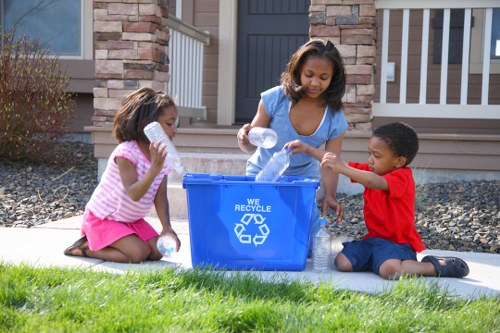
We aim to recycle at least 75% of all garden and green waste from our Hanwell operations by 2030. This recycling percentage target covers wood, green compostables, soil that can be reused, and other inert materials that can be diverted from landfill. By setting a clear target, Garden clearance in Hanwell becomes not just a service but a contributor to the borough’s wider sustainability ambitions. To hit this goal we monitor output streams, refine on-site sorting and measure actual diversion rates after every job.
How We Sort and Separate Waste
Our teams follow a simple, robust separation protocol that mirrors the boroughs’ approach to waste separation: food and garden organics, dry recycling, and residual waste. On every site we place labelled containment for:
- Garden organics — grass cuttings, branches, leaves (collected for composting)
- Reusable items — pots, outdoor furniture and paving that charity partners might accept
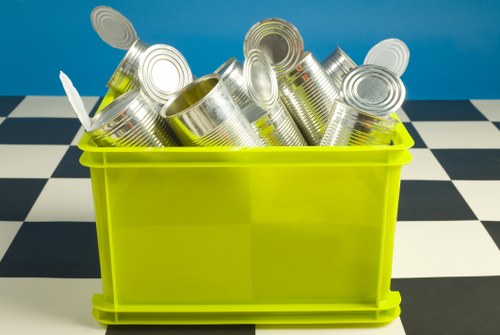
- Mixed recyclables — plastics and metals where local facilities accept them
- Inert materials — stones or soil that can be reused on landscaping projects
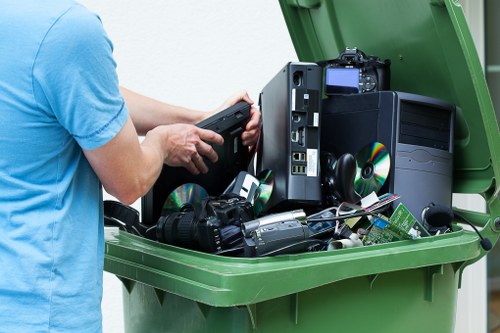 When necessary we perform on-site triage to minimise contamination, ensuring that materials that enter local transfer stations have the best chance of being processed efficiently.
Local Transfer Stations and Material Recovery
We work with nearby transfer stations and materials recovery facilities in West London and the Ealing borough to channel different waste streams appropriately. Using established local transfer stations reduces haulage time and emissions while improving recovery rates. Our logistics plan ensures organic loads go to composting or anaerobic digestion, reusable items are directed to community reuse centres, and recyclables enter certified material recovery lines.
Partnering with local sites allows Garden clearance Hanwell to benefit from local knowledge about what each facility accepts and how best to prepare loads to avoid rejection and extra handling.
Charity Partnerships and Community Reuse
We maintain active partnerships with local charities and community groups to ensure items suitable for reuse have a second life. Where possible, salvageable garden furniture, planters, and building materials find new homes through charity networks or community repair workshops. These collaborations reduce waste and support local social value: helping gardens at community centres, allotments and shared green spaces benefit directly from redistribution.
Strong relationships with charitable organisations also mean that small-scale salvageable items — from working garden tools to potted plants — are diverted away from disposal and into local reuse channels, which supports circular economy principles within Hanwell.
Low-Carbon Fleet and Route Optimisation
We operate a low-emission, low-carbon van fleet for garden clearance in the Hanwell area. Our vehicles include hybrid and fully electric models where route practicality permits, and all vans are maintained to maximise fuel efficiency. By using low-carbon vans and implementing route optimisation software, we cut unnecessary mileage and reduce our transport emissions — a key part of shrinking the impact of a sustainable rubbish area strategy.
Daily practices such as pre-sorting at site, careful loading to reduce trips, and coordinating multiple local jobs per run help us keep emissions down and recycling rates up. We also prioritise quieter, low-impact operations in sensitive neighbourhoods and near green spaces to protect residents and wildlife.
Transparency, Reporting and Continuous Improvement
Garden Clearance Hanwell publishes periodic summaries of diversion rates and sustainability performance to demonstrate progress toward our 75% recycling target. We use data from local transfer stations and our own intake records to refine how we sort materials and which charity partners receive salvageable goods. Transparency keeps our teams accountable and lets customers choose a service that aligns with their values.
We are committed to ongoing training for crews on best practices in waste separation and sustainable rubbish area management. Continuous improvement means learning from partner facilities and adjusting our processes to match innovations in recycling and materials recovery.
Working with the Borough and Local Residents
We align with the borough’s guidance on waste streams — encouraging clear separation of green waste, food waste and dry recyclables — and we support community initiatives that expand local composting and reuse opportunities. By coordinating with local councils, transfer stations and charities, our Hanwell garden clearance services contribute to a more resilient, sustainable local waste system.
Choosing a green-minded garden clearance provider makes a measurable difference: fewer trips to landfill, more materials diverted into productive reuse, and lower emissions from a modern, low-carbon fleet. Garden clearance in Hanwell can be both efficient and ecologically responsible when planned around recycling targets, local partnerships and careful vehicle use.
Commitment to a Greener Future
Our promise is simple: to make every garden clearance job in Hanwell contribute to a healthier, more sustainable community. We focus on achieving and surpassing our recycling percentage target, deepening partnerships with local transfer stations and charities, and continually upgrading our fleet and processes to lower carbon impacts. Together with residents and organisations across the borough, we turn garden waste into resources and keep Hanwell greener for the next generation.